Soft tissue injuries—such as strains, sprains, and overuse conditions—are common challenges faced by athletes, active individuals, and those with chronic pain. Traditional therapies like rest and physical rehabilitation remain essential, but complementary techniques such as cupping therapy and dry needling are increasingly recognized for their ability to accelerate recovery. These approaches target muscle tension, improve circulation, and promote faster healing by addressing both the root cause and symptoms of soft tissue dysfunction.
Unlike general relaxation techniques, both therapies directly influence the musculoskeletal system and encourage the body’s natural repair mechanisms. This makes them valuable options not only for athletes but also for individuals with work-related stress, postural strain, or long-term pain conditions. Clinics like Pro Team Health and Wellness integrate these methods into comprehensive treatment plans, helping patients achieve sustainable recovery and reduce dependency on medications.
What is Cupping Therapy?
Understanding the Technique
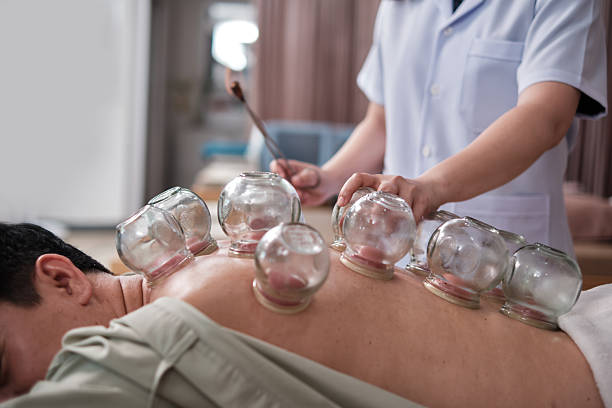
Cupping therapy is an ancient healing practice that uses suction cups placed on the skin to increase blood flow and stimulate healing. By creating negative pressure, cupping lifts the soft tissue, loosens adhesions, and promotes nutrient-rich circulation to the affected area. Practiced for centuries in Eastern medicine, it has now gained traction in Western rehabilitation and sports medicine for its therapeutic benefits.
Cupping can be performed using different methods, such as fire cupping, silicone cups, or mechanical pumps, depending on the practitioner’s approach and patient needs. The treatment is usually painless, though patients may notice temporary skin discoloration where the cups are applied. These marks are harmless and typically resolve within a few days, signaling that circulation has been activated in those tissues.
Benefits of Cupping Therapy
- Increases blood flow to soft tissues
- Reduces muscle stiffness and tension
- Supports the body’s natural detoxification process
- Helps with pain relief and relaxation
Many individuals searching for cupping therapy near me are looking for local, trusted providers to address chronic pain, athletic recovery, or musculoskeletal discomfort. In Phoenix, AZ, clinics such as Pro Team Health and Wellness provide cupping therapy as part of an integrative care model. Patients often describe the sessions as deeply relaxing, while also experiencing improved range of motion and less post-exercise soreness.
What is Dry Needling?
The Technique Explained
Dry needling involves inserting thin, sterile needles into trigger points or taut bands within muscles. Unlike acupuncture, which is based on traditional Chinese medicine, dry needling is a Western therapeutic technique that focuses on musculoskeletal conditions. The needles cause a small, controlled irritation that activates the body’s healing response, helping muscles relax and recover.
A typical session begins with identifying the tight or painful area through palpation and movement testing. The practitioner then inserts the needle, sometimes producing a brief twitch response in the muscle. While this can feel unusual, it usually provides immediate relief as the muscle fibers release. Sessions are tailored to the individual’s injury history and overall treatment goals.
Key Benefits of Dry Needling
- Releases muscle knots and tension
- Improves mobility and flexibility
- Reduces localized and referred pain
- Stimulates tissue repair at the cellular level
Dry needling is particularly effective for patients dealing with chronic tightness, athletic overuse, or injury-related pain. By restoring proper muscle function, it allows patients to move more freely, which supports long-term recovery and reduces the likelihood of recurring injuries.
Cupping vs. Dry Needling: A Comparative Look
While both cupping therapy and dry needling are used to promote healing, they employ different techniques and have unique outcomes. The table below provides a clear comparison:
Aspect | Cupping Therapy | Dry Needling |
Primary Mechanism | Suction increases blood flow and tissue lift | Needles release trigger points in muscle |
Best For | Circulation, relaxation, reducing stiffness | Muscle knots, chronic tightness, pain |
Session Experience | Pulling/suction sensation | Slight discomfort, twitch response |
Healing Focus | Increases oxygen and nutrient delivery | Stimulates repair at cellular level |
Visible Effects | Temporary circular marks on skin | Minimal surface marks |
Cupping tends to be better for larger areas and overall relaxation, while dry needling excels at targeting very specific points of tension within a muscle. Many rehabilitation professionals, including those at Pro Team Health and Wellness, combine the two therapies within the same treatment plan to maximize results. This blended approach addresses both the systemic and localized aspects of soft tissue healing.
How Cupping & Dry Needling Accelerate Soft Tissue Healing
1. Improved Circulation
Cupping stimulates blood flow by drawing fresh oxygen and nutrients to the injured area. Dry needling, in turn, triggers a local healing response within the muscle fibers. Together, they enhance circulation, allowing tissues to repair more efficiently. Improved circulation also helps reduce inflammation and carry away metabolic waste products, further supporting the body’s natural healing cycle.
2. Reduction of Muscle Tension
Soft tissue injuries often involve tight muscles or spasms. Dry needling releases trigger points, while cupping gently stretches the fascia. This combination reduces overall tension, restoring flexibility and mobility. When muscles are less restricted, movement patterns become more efficient, which decreases stress on surrounding joints and tissues and supports long-term injury prevention.
3. Pain Relief
Both therapies interact with the nervous system to reduce pain perception. By decreasing local inflammation and resetting muscle activity, they help patients experience relief without heavy reliance on medications. Pain management through these methods is particularly valuable for individuals seeking non-invasive solutions or those who wish to reduce dependence on prescription drugs.
4. Accelerated Recovery in Athletes
Athletes in Phoenix, AZ, often use cupping therapy and dry needling as part of sports recovery. These methods allow for faster return to training by reducing post-exercise soreness and managing injury-related pain. Regular sessions can also help prevent injuries by keeping muscles supple and responsive, making them a proactive as well as reactive tool in athletic performance.
5. Enhanced Range of Motion
By loosening adhesions and releasing muscular tightness, these therapies allow patients to regain a full range of motion—critical for athletes, as well as individuals recovering from injuries or surgery. Restoring proper mobility ensures not only short-term recovery but also better overall function in daily activities, from lifting objects to maintaining good posture.
Integrating Cupping and Dry Needling into a Treatment Plan
For optimal results, cupping and dry needling should be integrated into a comprehensive treatment approach. At clinics like Pro Team Health and Wellness, these therapies are combined with chiropractic care, physical rehabilitation, and lifestyle strategies to promote long-term healing.
A Typical Treatment Plan May Include:
- Initial assessment of injury and mobility
- Cupping sessions to improve circulation
- Dry needling for targeted muscle release
- Complementary stretching and strengthening exercises
- Ongoing evaluation to track progress
Each plan is customized to meet the unique needs of the patient, taking into account lifestyle, activity level, and specific injury. The integration of these therapies ensures that treatment is not only focused on short-term pain relief but also long-term recovery and functional health.
Who Can Benefit from These Therapies?
Cupping therapy and dry needling may benefit:
- Athletes experiencing repetitive strain injuries
- Individuals with chronic muscle tightness
- Patients recovering from sprains, strains, or surgery
- People seeking non-pharmacological pain management options
In addition, individuals dealing with stress-related muscle tension, headaches, or poor posture often find relief through these therapies. Since they address both physical and circulatory components of healing, the benefits extend to a wide variety of musculoskeletal concerns.
Precautions and Considerations
Although safe when performed by trained professionals, these therapies may not be suitable for everyone. Patients with certain medical conditions—such as skin infections, blood disorders, or needle phobia—should consult a healthcare provider before beginning treatment. It is also essential to choose a licensed provider to ensure safe and effective care.
Practitioners usually conduct a detailed consultation before beginning therapy, assessing medical history and discussing treatment goals. This ensures the therapy is appropriate for the patient’s needs and reduces the risk of complications. While mild soreness is normal after treatment, side effects are minimal when performed by qualified professionals.
FAQs About Cupping & Dry Needling
Is cupping therapy painful?
Cupping typically feels like gentle suction. Some patients may experience mild discomfort or temporary circular marks, which fade within a few days. Most describe the sensation as relaxing, with an immediate sense of reduced tension in the treated area.
How does dry needling differ from acupuncture?
Dry needling targets muscle trigger points using Western medical principles, while acupuncture is based on traditional Chinese medicine and energy pathways. While the tools are similar, the goals and methods are distinct, with dry needling specifically aimed at muscle and tissue recovery.
How many sessions are needed for results?
The number of sessions depends on the severity of the condition. Many patients notice improvement after two to three sessions, though chronic issues may require ongoing care. Practitioners often recommend combining treatments with exercise and lifestyle changes to maximize benefits.
Can cupping therapy help with back pain?
Yes, cupping therapy is often used to relieve tension and pain in the back by improving circulation and loosening muscle tightness. It can also address related issues such as shoulder stiffness and neck pain, making it a versatile tool for musculoskeletal care.
Where can I find cupping therapy in Phoenix, AZ?
If you’re searching for cupping therapy Phoenix AZ, Pro Team Health and Wellness offer professional, integrative treatments tailored to your needs. Their team combines cupping and dry needling with other evidence-based therapies to support comprehensive recovery and improved function.
Conclusion
Cupping therapy and dry needling are powerful tools in accelerating soft tissue healing. By improving circulation, releasing muscle tension, and reducing pain, these therapies complement traditional rehabilitation approaches and support faster recovery. Whether you’re an athlete managing performance-related strain or someone recovering from a soft tissue injury, integrating these methods can significantly enhance your healing journey.
For those considering cupping therapy near me or professional dry needling services, exploring trusted providers in Phoenix, AZ, such as Pro Team Health and Wellness, can be an important step toward long-term recovery and wellness. These therapies are most effective when combined with a holistic approach to care that addresses both the symptoms and underlying causes of soft tissue dysfunction.