
Movement is essential for maintaining health and vitality at every stage of life. However, modern lifestyles often limit our daily range of motion, leading to stiffness, poor posture, and discomfort. Stretch therapy, also known as stretch massage therapy, has emerged as a targeted solution for improving flexibility, reducing muscle tension, and enhancing overall well-being.
Whether you are a young adult looking to improve athletic performance or a senior aiming to maintain mobility, stretch therapy offers benefits tailored to every age group. Beyond just physical benefits, it also improves circulation, enhances relaxation, and supports better body awareness, which contributes to long-term wellness. In this blog, we explore what stretch therapy is, its benefits, types, and how you can integrate it into your daily routine to create lasting improvements in your overall health.
What Is Stretch Therapy?
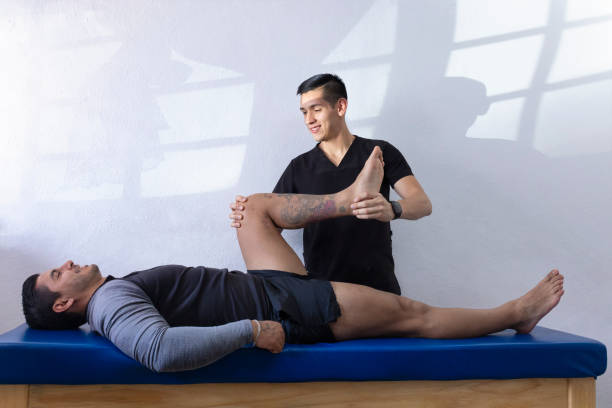
Stretch therapy is a specialized form of therapy that focuses on improving flexibility, muscle function, and joint range of motion. Unlike general stretching routines, stretch therapy often involves assisted stretches performed by a trained professional, ensuring proper technique and targeted results.
Key Features of Stretch Therapy
Assisted Stretching: Performed by a therapist to help reach deeper muscle layers safely and effectively, reducing the risk of injury during stretching.
Targeted Muscle Release: Focuses on specific muscles that are tight or overused due to daily activities, sports, or sedentary habits.
Improved Mobility: Enhances joint flexibility, which contributes to better balance, coordination, and ease of movement in daily tasks.
Customized Sessions: Tailored to individual needs, age, and physical condition, ensuring each session delivers maximum benefits without overstraining the body.
For those searching for stretch therapy near me, local clinics like Pro Team Health and Wellness offer sessions that combine hands-on techniques and guided stretching programs designed to improve posture, flexibility, and overall wellness while addressing individual concerns and health goals.
Benefits of Stretch Therapy
Stretch therapy offers numerous physical and mental benefits. By incorporating it into a routine, individuals can experience improvements that go beyond mere flexibility.
1. Increased Flexibility and Range of Motion
One of the most immediate benefits of stretch therapy is enhanced flexibility. Regular sessions help elongate muscles and connective tissues, enabling a greater range of motion in joints. This increased flexibility can make daily activities, like bending, lifting, and reaching, easier and more comfortable, while also supporting athletic performance.
2. Reduced Muscle Tension and Pain
Stretch massage therapy helps release tightness and knots in the muscles, alleviating discomfort and preventing chronic pain. Over time, consistent stretching can reduce the risk of long-term injuries, enhance recovery after workouts, and promote better posture, which contributes to overall musculoskeletal health.
3. Enhanced Athletic Performance
Athletes benefit from stretch therapy as it reduces muscle stiffness, improves circulation, and enhances overall performance. Flexible muscles allow for quicker, more efficient movements, improved reaction times, and better endurance. Stretch therapy also helps athletes recover faster and minimizes soreness after intense physical activity.
4. Improved Posture
Stretch therapy can help correct imbalances caused by poor posture, especially in those who work at desks for extended periods. Aligning muscles and joints promotes a more upright posture, reducing strain on the spine and preventing long-term musculoskeletal issues such as back or neck pain.
5. Stress Relief
The relaxation achieved through guided stretching can reduce cortisol levels, easing both mental and physical stress. Stretch therapy often includes slow, controlled movements paired with mindful breathing, promoting a sense of calm, mental clarity, and overall well-being, making it a holistic approach to health.
Who Can Benefit from Stretch Therapy?
Stretch therapy is suitable for individuals of all ages and activity levels. Understanding the specific needs of each age group can help optimize results.
Age Group | Benefits of Stretch Therapy | Recommended Focus |
Children & Teens | Improve flexibility, coordination, and motor skills | Dynamic stretches, posture exercises, and guided routines for growing bodies |
Adults (20-50) | Reduce muscle tension, prevent injuries, enhance performance | Targeted stretching for daily activity, sports, and work-related movements |
Seniors (50+) | Maintain mobility, reduce stiffness, preserve independence | Gentle assisted stretches focusing on joints, balance, and functional movement |
This table illustrates that stretch therapy is versatile, addressing the unique requirements of every life stage while promoting long-term physical health and independence.
Types of Stretch Therapy
Stretch therapy can be categorized into several techniques. Each method targets specific needs and can be adapted based on individual flexibility and health conditions.
1. Passive Stretching
In passive stretching, the therapist applies gentle pressure to move muscles beyond their normal range of motion. This approach is ideal for those seeking relaxation, improved blood flow, and gradual improvement in flexibility over time without overexertion.
2. Active Stretching
Active stretching requires the client to engage muscles during the stretch. This method strengthens the muscles while enhancing mobility and is commonly incorporated into athletic routines to maintain functional strength and reduce the risk of injury.
3. PNF (Proprioceptive Neuromuscular Facilitation)
PNF involves alternating contraction and relaxation of muscles to achieve maximum stretch. It is highly effective in increasing flexibility, improving neuromuscular control, and rehabilitating injuries with a focus on functional movement.
4. Assisted Stretching
This form is a combination of passive and guided stretching where the therapist helps clients reach deeper stretches safely. It is often used in clinical or wellness settings to address tight muscles, improve posture, and enhance overall flexibility, even in individuals with limited mobility. Clinics like Pro Team Health and Wellness specialize in these techniques for all age groups.
How to Incorporate Stretch Therapy Into Your Routine
Integrating stretch therapy into your life doesn’t require drastic changes. Here are some practical tips:
- Schedule Regular Sessions: Consistency is key. Even one session per week can improve flexibility, mobility, and posture over time.
- Combine with Exercise: Stretch therapy complements strength training, yoga, or cardio routines, enhancing performance and recovery.
- Listen to Your Body: Avoid pushing beyond comfort. Stretching should feel beneficial, not painful, to prevent injuries.
- Use Stretching Tools: Resistance bands, foam rollers, and massage balls can enhance therapy at home while reinforcing the gains from professional sessions.
- Seek Professional Guidance: Look for certified therapists or clinics offering “stretch therapy near me” to ensure safety, proper technique, and effective results tailored to your unique needs.
Professional clinics such as Pro Team Health and Wellness provide structured programs combining stretch therapy and stretch massage therapy for individualized care, ensuring optimal results for mobility and overall well-being.
Stretch Therapy vs. Traditional Massage
While both stretch therapy and traditional massage address muscle tension, they serve different purposes:
Aspect | Stretch Therapy | Traditional Massage |
Focus | Muscle elongation and flexibility | Muscle relaxation and tension relief |
Technique | Assisted stretches, PNF, guided movement | Kneading, rubbing, and tapping |
Benefits | Increased mobility, injury prevention, enhanced posture | Stress relief, reduced soreness, improved circulation |
Ideal For | Athletes, seniors, individuals with mobility concerns | General relaxation and stress management |
Understanding the distinction helps individuals choose the approach that best aligns with their health goals and daily activities.
Finding the Right Stretch Therapy Clinic
When searching for stretch therapy, consider the following:
Qualified Therapists: Ensure certifications in stretch therapy, physical therapy, or related fields to guarantee safe, effective sessions.
Experience with Various Ages: Clinics should provide programs for children, adults, and seniors to accommodate differing flexibility and mobility needs.
Range of Services: Complementary options like massage, physical therapy, or wellness programs enhance the benefits of stretch therapy.
Client Testimonials: Reviews can offer insight into the effectiveness, professionalism, and safety of therapy offered by local clinics.
Searching online for stretch therapy near me is a good starting point, but evaluating these factors ensures a professional, safe, and highly effective stretch therapy experience.
Frequently Asked Questions (FAQs)
Is stretch therapy safe for all ages?
Yes, stretch therapy is designed to accommodate individuals from children to seniors. Therapists adjust techniques based on age, flexibility, and physical condition, ensuring safe progression and effective outcomes.
How often should I have stretch therapy sessions?
For general wellness, 1-2 sessions per week are sufficient. Athletes or those with mobility issues may benefit from more frequent sessions to maintain flexibility, reduce muscle tension, and prevent injury.
Does stretch therapy help with chronic pain?
Yes, stretch therapy can alleviate chronic pain by improving flexibility, reducing muscle tension, and enhancing circulation in affected areas. Over time, it can also improve posture and reduce strain on joints.
Can I do stretch therapy at home?
While some stretches can be done safely at home, assisted or PNF stretches are best performed by trained professionals to prevent injury and ensure proper technique for maximum results.
How long does it take to see results?
Many individuals notice improvements in flexibility and reduced muscle tension after a few sessions. Long-term benefits, such as improved posture and enhanced mobility, accumulate with consistent practice over weeks or months.
Conclusion
Stretch therapy is a vital practice for maintaining health, mobility, and overall well-being at every age. From enhanced flexibility and improved posture to stress reduction and pain relief, its benefits extend beyond physical appearance or temporary relief.
Whether you are young, active, or seeking ways to maintain independence in later years, incorporating stretch therapy and stretch massage therapy into your routine can significantly enhance your quality of life. By choosing professional clinics like Pro Team Health and Wellness that specialize in personalized programs, you can ensure safe, effective, and consistent progress in flexibility, mobility, and overall wellness.