Back pain affects millions of adults worldwide and remains one of the most common reasons for medical visits. To manage it effectively, it’s important to understand what’s happening beneath the surface—how your spine, muscles, nerves, and ligaments work together, and what happens when they don’t.
This patient-focused guide from Pro Team Health and Wellness explores the anatomical causes of back pain, different pain types, available treatments, and strategies to maintain lifelong spinal health. Whether you’re managing mild stiffness or chronic pain, understanding your body structure helps you take proactive steps toward healing.
The Spine: The Foundation of Movement and Support
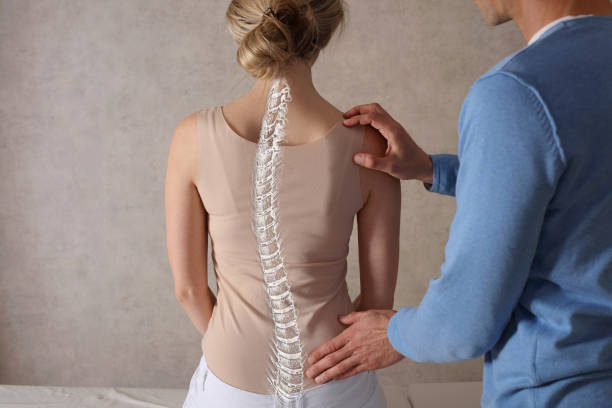
Your spine is an engineering marvel—strong yet flexible, capable of supporting your entire body while allowing a wide range of movement. It’s composed of 33 vertebrae stacked vertically and divided into sections: cervical (neck), thoracic (mid-back), lumbar (lower back), sacrum, and coccyx.
Each vertebra is cushioned by intervertebral discs, which act as shock absorbers, and supported by muscles, ligaments, and tendons. The spinal cord, protected within the vertebral column, carries messages between your brain and the rest of your body.
When any part of this system becomes strained, compressed, or inflamed, the result is often pain—ranging from dull aches to sharp, radiating discomfort.
At Pro Team Health and Wellness, specialists evaluate all these components during diagnosis to ensure that both structural and functional factors are addressed in your lower back pain and treatment plan.
Understanding the Different Types of Back Pain
Back pain can originate from various sources—muscular, skeletal, or nerve-related—and may present differently depending on the underlying cause. Knowing the type of pain helps in determining the most effective back ache treatment.
Acute Back Pain
Acute pain develops suddenly, often after lifting something heavy or making an abrupt movement. It usually lasts less than six weeks and may resolve with rest, gentle stretching, or short-term medical care.
Chronic Back Pain
Chronic pain lasts for 12 weeks or longer, even after initial treatment. It may result from degenerative disc disease, arthritis, or long-term posture issues. Pro Team Health and Wellness emphasize a multidisciplinary approach, combining physical therapy, chiropractic care, and patient education to manage chronic cases.
Radiating or Nerve-Related Pain
When nerves in the spine are irritated—such as in sciatica or herniated discs—pain can travel down the legs or arms. Numbness, tingling, or weakness may accompany these symptoms.
Common Anatomical Causes of Back Pain
Understanding what triggers pain is key to finding effective solutions. Below are common anatomical sources of back discomfort.
Muscle or Ligament Strain
Overstretching or tearing spinal muscles and ligaments can lead to localized pain. Poor posture, sudden twisting, or lifting with improper form are frequent causes. Over time, repeated strain can cause inflammation and microtears, reducing spinal stability. Maintaining proper ergonomics, core strength, and regular stretching can help prevent recurrence and support long-term spinal health under guidance from Pro Team Health and Wellness specialists.
Herniated or Bulging Discs
Intervertebral discs can slip or rupture, pressing on nearby nerves and creating pain that radiates through the legs or buttocks. This condition is common in the lumbar region. In some cases, it may also cause tingling or muscle weakness, especially when nerve roots are irritated. Early diagnosis and customized physical therapy at Pro Team Health and Wellness can significantly improve comfort and mobility while preventing further nerve compression.
Degenerative Disc Disease
As we age, discs naturally lose hydration and elasticity, causing them to wear down. This degeneration reduces cushioning and increases friction between the vertebrae, leading to chronic pain. In some individuals, it may also result in inflammation and spinal instability. Regular exercise, proper nutrition, and guided physiotherapy through Pro Team Health and Wellness can slow degeneration, enhance flexibility, and help preserve spinal function as patients age.
Spinal Stenosis
This occurs when the spinal canal narrows, compressing the spinal cord or nerve roots. It can cause persistent pain, numbness, or weakness in the legs. Many patients also report difficulty standing or walking for long periods. Non-surgical treatments like decompression therapy and guided exercise at Pro Team Health and Wellness can improve circulation, relieve pressure, and restore spinal balance for greater comfort and daily function.
Osteoarthritis and Facet Joint Syndrome
Arthritic changes in the spine can lead to inflammation and stiffness, especially in the lower back. The facet joints connecting vertebrae often develop wear-and-tear damage over time. This degeneration can limit flexibility and cause discomfort during movement or rest. At Pro Team Health and Wellness, evidence-based interventions—including manual therapy and lifestyle modification—help reduce pain, promote joint mobility, and enhance overall spinal function for long-term relief.
At Pro Team Health and Wellness, practitioners perform comprehensive assessments—including imaging and mobility tests—to pinpoint which anatomical structures are contributing to pain. These evaluations allow for precise, personalized care strategies that address the underlying cause rather than just the symptoms, supporting sustainable healing and overall wellness.
How Back Pain Develops: The Biomechanics
The spine structure depends on the balance between flexibility and stability. When posture, weight distribution, or movement patterns disrupt that balance, stress builds up. Over time, this leads to inflammation and micro-tears in soft tissues.
Pro Team Health and Wellness explain this process to patients during consultation, helping them visualize how small issues—like sitting incorrectly or neglecting core strength—can accumulate into serious pain over months or years.
For example:
- Poor ergonomics can cause muscle imbalances.
- Weak abdominal muscles force the lower back to overcompensate.
- Repetitive stress reduces disc resilience.
By correcting these factors early, patients can reduce the likelihood of chronic pain and promote long-term spine health.
Diagnostic Tools and Evaluation
Accurate diagnosis is the foundation of effective lower back pain and treatment. Doctors at Pro Team Health and Wellness use a combination of physical exams and advanced imaging to determine the exact source of pain.
| Diagnostic Tool | Purpose | What It Detects |
|---|---|---|
| X-rays | Visualize bones and alignment | Fractures, arthritis, spinal curvature |
| MRI | Soft tissue imaging | Disc herniations, nerve compression |
| CT Scan | Cross-sectional imaging | Spinal canal narrowing, bone changes |
| Electromyography (EMG) | Nerve activity test | Nerve root compression or damage |
In addition to imaging, physical tests assess flexibility, strength, and reflexes to build a complete understanding of your spine’s condition.
Treatment Approaches for Back Pain
The right treatment depends on the cause, severity, and duration of symptoms. Pro Team Health and Wellness provide evidence-based, personalized care designed to restore function and prevent future flare-ups.
Conservative Treatments
Initial back ache treatment often includes:
- Rest and activity modification
- Ice or heat therapy
- Gentle stretching and strengthening exercises
- Chiropractic adjustments
- Massage therapy
These conservative measures help relieve tension, restore alignment, and improve mobility without invasive procedures.
Medical Interventions
When pain persists, medications may help manage symptoms while the body heals. Patients should always consult a healthcare provider before taking any medication.
Common options for the best pain medication for back pain include:
| Medication Type | Example | Purpose |
|---|---|---|
| NSAIDs | Ibuprofen, Naproxen | Reduces inflammation |
| Muscle Relaxants | Cyclobenzaprine | Eases muscle spasms |
| Topical Creams | Lidocaine, Capsaicin | Targets localized pain |
| Corticosteroid Injections | Prescribed by physician | Reduces nerve irritation |
Medication works best when paired with physical therapy and posture correction under the guidance of a healthcare professional.
Physical Therapy and Rehabilitation
Rehabilitation focuses on restoring strength, flexibility, and coordination. Therapists at Pro Team Health and Wellness teach exercises to stabilize the spine and prevent future injury. These may include core-stabilizing movements, pelvic tilts, or resistance training.
Chiropractic and Manual Adjustments
Chiropractic care can help realign the spine, reduce nerve pressure, and improve overall body mechanics. Regular sessions can prevent recurrence of pain and enhance recovery from injury.
Lifestyle Changes That Support Spinal Health
Even the most advanced lower back pain and treatment programs benefit from lifestyle modifications. Daily habits play a significant role in preventing discomfort and supporting recovery.
Maintain Proper Posture
Standing or sitting with your spine’s natural curves helps distribute weight evenly. Pro Team Health and Wellness recommends ergonomic furniture and frequent posture breaks for patients with sedentary jobs. Additionally, adjusting monitor height, using lumbar support, and practicing mindful sitting throughout the day can help reduce back strain and maintain proper spinal alignment over time.
Stay Active
Low-impact activities such as swimming, walking, and yoga maintain flexibility and strengthen supportive muscles. Avoid prolonged inactivity, which can weaken spinal tissues. Regular stretching routines and mobility exercises designed by Pro Team Health and Wellness experts also improve joint function, enhance blood flow, and prevent stiffness associated with chronic back pain conditions.
Strengthen Your Core
Strong abdominal and back muscles stabilize the spine, reducing strain on ligaments and discs. Incorporate planks, bridges, and leg lifts into your routine. Pro Team Health and Wellness emphasize progressive strengthening programs that enhance spinal endurance, improve posture, and protect against future episodes of lower back pain and treatment complications.
Manage Stress and Sleep Well
Chronic stress can tighten muscles, while poor sleep posture can misalign your spine. Relaxation techniques—like deep breathing or mindfulness—paired with a supportive mattress can significantly improve recovery. Establishing consistent sleep patterns and using ergonomic pillows recommended by Pro Team Health and Wellness can further optimize healing and restore spinal balance overnight.
Maintain a Healthy Weight
Excess weight places pressure on spinal structures. Balanced nutrition and regular exercise can alleviate stress and reduce inflammation. Pro Team Health and Wellness suggest combining cardiovascular fitness with strength training and dietary guidance to support healthy weight management, improving spinal health and long-term back ache treatment results.
Preventive Care at Pro Team Health and Wellness
Prevention is always better than treatment. At Pro Team Health and Wellness, providers work with patients to design individualized plans that focus on long-term health. These plans include ergonomic education, home exercises, and periodic check-ups to monitor progress.
If you notice early warning signs—like recurring stiffness, sharp pain, or limited mobility—schedule an appointment right away. Early intervention prevents small issues from developing into chronic conditions. Visit the Contact Page to reach the care team and book a consultation.
When to Seek Immediate Medical Attention
While most cases of back pain are not life-threatening, certain symptoms require urgent care. Contact your healthcare provider or emergency services if you experience:
- Sudden, severe pain after trauma or accident
- Numbness or tingling in legs or feet
- Loss of bladder or bowel control
- Pain accompanied by fever or unexplained weight loss
The specialists at Pro Team Health and Wellness can evaluate your condition and guide you toward safe, effective treatment options.
The Role of Ongoing Care
Back pain management doesn’t end when symptoms subside. Routine maintenance—through chiropractic adjustments, physical therapy, and lifestyle awareness—helps prevent relapse.
By working closely with the care team at Pro Team Health and Wellness, patients gain the tools needed to understand their anatomy, practice self-care, and maintain mobility for years to come.
Conclusion
Back pain can affect every aspect of life, but understanding its anatomical roots gives you the power to manage and prevent it effectively. Through personalized evaluation, conservative therapies, and patient education, Pro Team Health and Wellness helps individuals achieve lasting spinal health.
If you’re experiencing discomfort or wish to learn more about lower back pain and treatment, contact the experts at Pro Team Health and Wellness. Their integrated care approach addresses not just symptoms—but the true cause of your pain.
FAQs About Back Pain and Its Treatment
What causes lower back pain?
Lower back pain can stem from strained muscles, herniated discs, or degenerative changes in the spine. Poor posture and inactivity also contribute to pain.
How is back pain diagnosed at Pro Team Health and Wellness?
Doctors use physical exams, imaging studies, and movement assessments to pinpoint the cause of pain and create personalized back ache treatment plans.
What is the best pain medication for back pain?
Non-steroidal anti-inflammatory drugs (NSAIDs) are often effective, but your provider at Pro Team Health and Wellness will recommend what’s safest for your health.
How can I prevent future back pain?
Regular exercise, posture correction, and ergonomic awareness are key. Periodic chiropractic visits can help maintain spinal alignment.
When should I contact a professional for back pain?
If pain lasts longer than two weeks or interferes with mobility, schedule an appointment through the Contact Page for evaluation and care.