Cupping therapy and dry needling accelerate soft tissue healing by improving blood circulation, releasing muscle tension, and targeting deep trigger points. Together, these precision therapies help reduce pain, enhance mobility, and speed up recovery by addressing the root cause of muscle dysfunction rather than just the symptoms.
Cupping dry needling Phoenix treatments are becoming a trusted solution for people seeking faster and more effective soft tissue healing at Pro Team Health. Athletes, fitness enthusiasts, and individuals recovering from injury often struggle with muscle tightness, pain, and limited mobility. Precision therapy techniques such as cupping and dry needling directly target these problems at their source.
Modern recovery approaches focus on improving circulation, releasing tension, and restoring proper muscle function. Cupping and dry needling achieve this by stimulating the body’s natural healing response. When used together, they provide a powerful recovery enhancement that traditional methods often cannot match.
In Phoenix, where active lifestyles are common year round, Pro Team Health supports faster recovery, improved performance, and long term injury prevention through advanced cupping and dry needling treatments.
Understanding Soft Tissue Injuries and Healing
Soft tissue injuries affect muscles, tendons, ligaments, and fascia. These injuries can occur due to sports activity, repetitive motion, poor posture, or sudden trauma. Common examples include muscle strains, tendon irritation, and fascial tightness.
Healing soft tissue can be slow because these tissues often have limited blood supply. When circulation is poor, oxygen and nutrients struggle to reach the injured area. As a result, inflammation lingers and pain persists.
Traditional treatments such as rest and medication may reduce symptoms, but they often do not address underlying muscle dysfunction. Precision therapy techniques focus on restoring movement and circulation, which allows the body to heal more efficiently.
What Is Cupping Therapy?
Cupping therapy is a manual treatment that uses suction cups to lift the skin and underlying tissue. This process improves circulation and reduces fascial restrictions.
How Myofascial Cupping Works
Myofascial cupping targets the connective tissue that surrounds muscles. When suction is applied, the tissue is gently lifted rather than compressed. This allows tight fascia to release and improves tissue mobility.
Increased blood flow brings oxygen and nutrients to the area, supporting faster healing. At the same time, waste products are removed more efficiently.
Benefits of Cupping for Soft Tissue Healing
Cupping therapy supports soft tissue healing in several ways. It reduces muscle stiffness and improves range of motion. It also decreases localized pain by calming irritated nerves.
Many patients report feeling looser and more mobile immediately after treatment. Over time, myofascial cupping helps restore proper movement patterns and reduces the risk of reinjury.
What Is Dry Needling?
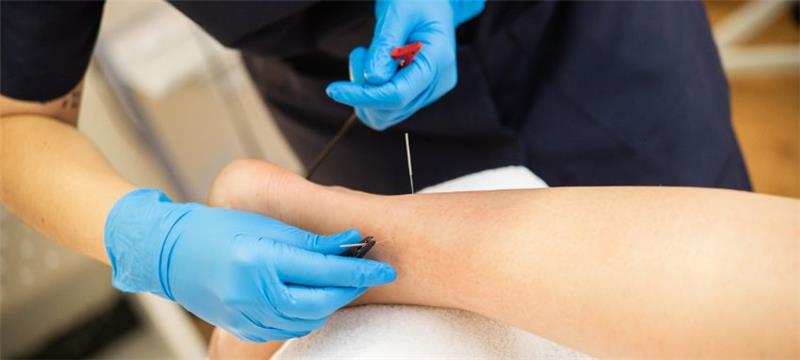
Dry needling is a precision therapy technique that uses thin, sterile needles to target muscle trigger points. These trigger points are tight bands of muscle that restrict movement and cause pain.
Trigger Point Therapy Explained
Trigger point therapy focuses on releasing muscle knots that disrupt normal muscle function. When a needle is inserted into a trigger point, it creates a local twitch response. This response helps reset the muscle and reduce tension.
Trigger points often refer pain to other areas of the body. Treating them directly can relieve pain patterns that seem unrelated.
How Dry Needling Accelerates Healing
Dry needling improves soft tissue healing by increasing blood flow and reducing muscle guarding. It helps restore normal muscle length and function.
Patients often experience reduced pain, improved flexibility, and better movement shortly after treatment. Over time, dry needling supports recovery enhancement by preventing chronic muscle dysfunction.
Why Combining Cupping and Dry Needling Works Better
Cupping and dry needling address soft tissue dysfunction from different angles. Cupping improves circulation and fascial mobility. Dry needling targets deep muscle trigger points.
When combined, these therapies enhance each other’s effects. Cupping prepares the tissue by increasing blood flow, while dry needling precisely releases tight muscles. This integrated approach accelerates healing and improves outcomes.
Precision therapy that combines both methods is especially effective for stubborn pain and long standing injuries.
Benefits of Cupping Dry Needling Phoenix Treatments
Cupping dry needling Phoenix clinics focus on individualized care. Treatments are tailored to the patient’s activity level, injury history, and recovery goals.
Local practitioners often specialize in sports injury treatment and understand the demands of an active lifestyle. This expertise ensures treatments are both effective and safe.
Patients benefit from faster recovery, improved performance, and long term injury prevention. The combination of advanced techniques and professional credentials sets Phoenix providers apart.
Who Can Benefit from This Precision Therapy?
Athletes benefit from improved recovery times and reduced muscle soreness. Runners, cyclists, and strength athletes often use these therapies to maintain peak performance.
Office workers benefit from relief of neck, shoulder, and back tension caused by prolonged sitting. Chronic pain patients experience improved mobility and reduced discomfort.
Individuals recovering from surgery or injury also benefit from targeted soft tissue healing that supports rehabilitation.
What to Expect During a Cupping and Dry Needling Session
A session begins with a thorough assessment. The practitioner evaluates movement patterns, pain areas, and muscle tension.
Cupping therapy is typically performed first to warm and mobilize the tissue. Dry needling follows, targeting specific trigger points.
After treatment, patients may experience mild soreness, similar to post exercise fatigue. This usually resolves within one to two days. Hydration and gentle movement support recovery.
Safety, Credentials, and Professional Standards
Cupping and dry needling should only be performed by licensed professionals with advanced training. Clean needle protocols and proper hygiene are essential.
Evidence based practice ensures treatments are effective and safe. Patients should feel confident asking about credentials and experience.
Conclusion
Cupping dry needling Phoenix treatments offer a powerful approach to soft tissue healing through precision therapy. By combining myofascial cupping with trigger point therapy, patients experience faster recovery, reduced pain, and improved movement.
These techniques address the root causes of muscle dysfunction rather than masking symptoms. Athletes and active individuals benefit from recovery enhancement that supports long term performance and injury prevention.
If you are seeking advanced soft tissue care, cupping and dry needling provide a proven and effective solution. Contact Us to schedule a consultation and begin a targeted recovery plan tailored to your needs.
Frequently Asked Questions
What is cupping dry needling Phoenix therapy?
It is a combination of cupping therapy and dry needling used to accelerate soft tissue healing and improve recovery.
Is dry needling painful?
Most patients feel minimal discomfort. Any soreness is temporary and part of the healing response.
How many sessions are needed?
This depends on the condition. Some patients feel relief after one session, while others need a series of treatments.
Is myofascial cupping safe?
Yes, when performed by trained professionals using proper techniques.
Who should avoid these treatments?
Individuals with certain medical conditions should consult their healthcare provider before treatment.