Top-Rated Chiropractors in Phoenix
We are now offering experienced Massage Therapy Services!
Lower Back Pain – Comprehensive Treatment and Relief Strategies
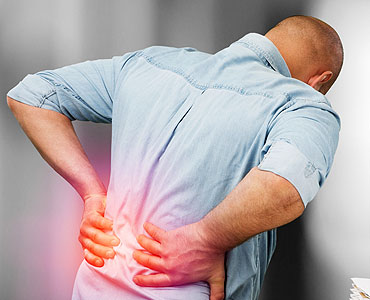
Lower back pain is a pervasive health issue, affecting millions worldwide and significantly impacting quality of life. From a nagging ache to debilitating sharp pain, its manifestations are diverse, as are its causes. Understanding the various facets of lower back pain – what triggers it, how it’s diagnosed, and the spectrum of available treatments – is crucial for effective management and lasting relief. This comprehensive guide delves into the complexities of lower back pain, offering insights into its origins, exploring effective treatment modalities, and highlighting the importance of a holistic approach to recovery.
Understanding Lower Back Pain: A Common Affliction
The lower back, or lumbar region, is a complex structure of bones, ligaments, muscles, nerves, and discs, all working in concert to support the upper body, facilitate movement, and protect the spinal cord. Given its pivotal role, it’s highly susceptible to injury and strain. Lower back pain can be broadly categorized into:
Acute Pain: Typically lasts from a few days to a few weeks, often resolving on its own. It’s commonly caused by muscle strains, sprains, or minor injuries.
Subacute Pain: Persists between 4 to 12 weeks.
Chronic Pain: Endures for 12 weeks or longer, even after the initial injury or underlying cause has been treated. This type of pain often requires a more sustained and multi-faceted approach to management.
Common Causes of Lower Back Pain
Identifying the root cause of lower back pain is the first step towards effective treatment. While sometimes the cause is clear (e.g., a specific injury), other times it can be more elusive. Common culprits include:
Muscle or Ligament Strain: Often due to heavy lifting, sudden awkward movements, or repetitive activities that stress the back muscles and spinal ligaments.
Bulging or Ruptured Discs: The discs between the vertebrae can bulge or rupture, putting pressure on nerves. This is often referred to as a “slipped disc” or “herniated disc.”
Arthritis: Osteoarthritis can affect the lower back, leading to narrowing of the space around the spinal cord (spinal stenosis).
Skeletal Irregularities: Conditions like scoliosis (a curvature of the spine) can lead to back pain.
Osteoporosis: A condition where bones become brittle and fragile, making compression fractures of the vertebrae more likely.
Sciatica: Pain that radiates from the lower back down through the buttock and leg, caused by compression of the sciatic nerve, often due to a herniated disc.
Other Conditions: Less common but serious conditions like infections, tumors, or cauda equina syndrome can also cause back pain.
Diagnosis: Pinpointing the Problem
A thorough diagnosis is critical to developing an effective treatment plan. This typically involves:
Medical History and Physical Exam: Your doctor will ask about your symptoms, pain patterns, and medical history. They will also perform a physical examination to assess your range of motion, reflexes, and muscle strength.
Imaging Tests:
X-rays: Can reveal bone abnormalities, fractures, or arthritis.
MRI (Magnetic Resonance Imaging) or CT (Computed Tomography) Scans: Provide detailed images of soft tissues, such as discs, muscles, and nerves, helping to identify herniated discs, spinal stenosis, or other structural issues.
Electromyography (EMG): Measures the electrical activity of muscles and can confirm nerve compression.
Comprehensive Back Ache Treatment Strategies
Once the cause of your lower back pain has been identified, a tailored treatment plan can be developed. Treatment approaches often involve a combination of therapies, ranging from conservative methods to, in some cases, surgical intervention.
Non-Pharmacological Treatments (First Line of Defense):
Rest and Activity Modification: While complete bed rest is rarely recommended, avoiding activities that exacerbate pain for a short period can be beneficial. Gradual return to normal activities is crucial.
Heat and Cold Therapy: Applying ice packs can reduce inflammation in acute pain, while heat pads can relax tense muscles and improve blood flow, often beneficial for chronic pain.
Physical Therapy: A cornerstone of back pain treatment. A physical therapist can teach you exercises to strengthen core muscles, improve flexibility, and correct posture, significantly reducing pain and preventing future episodes.
Chiropractic Care: Manual adjustments to the spine can help alleviate pain and improve spinal function.
Acupuncture: Involves inserting thin needles into specific points on the body to stimulate natural pain relief mechanisms.
Transcutaneous Electrical Nerve Stimulation (TENS): A small device delivers low-voltage electrical current to the skin, which can help block pain signals.
Yoga and Pilates: These practices focus on core strength, flexibility, and body awareness, offering long-term benefits for back health.
Best Pain Medication for Back Pain (Pharmacological Approaches):
Medications are often used to manage pain and inflammation, especially in acute phases or when conservative treatments are insufficient. It’s crucial to use these under medical supervision due to potential side effects and interactions.
Over-the-Counter (OTC) Pain Relievers:
NSAIDs (Nonsteroidal Anti-inflammatory Drugs): Ibuprofen (Advil, Motrin IB) and naproxen (Aleve) reduce pain and inflammation.
Acetaminophen (Tylenol): Primarily reduces pain but has minimal anti-inflammatory effects.
Prescription Medications:
Muscle Relaxants: Such as cyclobenzaprine (Flexeril) or tizanidine (Zanaflex), used for muscle spasms.
- Opioids: Stronger pain relievers like oxycodone or hydrocodone, typically prescribed for severe, acute pain and for short durations due to the risk of dependence and side effects.
- Antidepressants: Certain tricyclic antidepressants (e.g., amitriptyline) and SNRIs (e.g., duloxetine) can be effective for chronic back pain, even in individuals without depression, as they modulate pain pathways.
- Corticosteroids: Oral corticosteroids or epidural steroid injections can reduce inflammation around nerve roots.
- Neuropathic Pain Medications: Gabapentin (Neurontin) or pregabalin (Lyrica) are used for nerve-related pain.
Interventional Procedures:
For chronic or severe pain that doesn’t respond to other treatments, interventional procedures may be considered:
Epidural Steroid Injections: Corticosteroids are injected into the epidural space around the spinal cord to reduce inflammation and pain.
- Nerve Blocks: Injections that numb specific nerves to alleviate pain.
- Radiofrequency Ablation: Uses heat generated by radio waves to destroy nerve fibers that are sending pain signals.
Surgical Intervention:
Surgery is typically reserved for severe cases where conservative treatments have failed, especially when there’s significant nerve compression leading to progressive weakness, bowel or bladder dysfunction, or intractable pain. Common surgical procedures include:
Discectomy: Removal of a herniated disc.
- Laminectomy: Removal of part of the vertebral bone (lamina) to relieve pressure on the spinal cord or nerves.
- Spinal Fusion: Fusing two or more vertebrae together to stabilize the spine and reduce pain.
Comparative Overview of Lower Back Pain Treatments
Treatment Category | Common Applications | Expected Outcomes | Considerations |
Physical Therapy | Muscle strengthening, flexibility, posture correction | Long-term pain reduction, improved function | Requires commitment, can be time-consuming |
OTC NSAIDs | Acute pain, inflammation | Short-term pain relief, reduced swelling | Potential gastrointestinal side effects, kidney issues with prolonged use |
Muscle Relaxants | Muscle spasms | Temporary spasm relief, improved comfort | Drowsiness, dizziness |
Epidural Steroid Injections | Nerve compression, inflammation | Significant but temporary pain relief (weeks to months) | Infection risk, temporary increase in pain |
Chiropractic Care | Spinal alignment issues, general back stiffness | Improved mobility, pain reduction | Not suitable for all conditions, requires licensed practitioner |
Surgery | Severe nerve compression, structural instability | Significant pain relief, improved neurological function | Last resort, long recovery, risks of anesthesia and complications |
Preventing Lower Back Pain: Proactive Steps
Prevention is often the best strategy for managing lower back pain. Incorporating these habits into your daily life can significantly reduce your risk:
Maintain a Healthy Weight: Excess weight puts added strain on your back.
Exercise Regularly: Strengthen core muscles (abdomen and back) and improve flexibility.
Practice Good Posture: Be mindful of your posture while sitting, standing, and lifting.
Lift Safely: Bend your knees and use your legs, not your back, to lift heavy objects.
Ergonomics: Ensure your workstation is ergonomically sound.
Quit Smoking: Smoking can reduce blood flow to the spine, accelerating disc degeneration.
Manage Stress: Stress can lead to muscle tension and exacerbate pain.
Conclusion
Lower back pain, while common, is not an insurmountable challenge. By understanding its underlying causes and exploring the wide array of available treatments, individuals can significantly improve their quality of life. At ProTeam Health, we understand the debilitating impact of lower back pain and are dedicated to empowering individuals on their journey to recovery. Our team of experienced professionals offers a holistic approach to back pain management, integrating advanced diagnostic techniques with personalized treatment plans.
Whether you’re seeking expert physical therapy, guidance on medication management, or exploring specialized interventions, we are committed to providing compassionate care and innovative solutions tailored to your unique needs. Don’t let lower back pain dictate your life; partner with ProTeam Health to rediscover comfort, mobility, and well-being.
Frequently Asked Questions (FAQs)
1. When should I see a doctor for lower back pain?
You should see a doctor if your pain is severe, doesn’t improve with rest, spreads down your leg, causes numbness or weakness, or is accompanied by fever, unexplained weight loss, or bowel/bladder problems.
2. Is bed rest good for lower back pain?
For most types of lower back pain, extended bed rest is generally not recommended. Light activity and movement are often better for recovery and can prevent muscles from weakening.
3. What's the best exercise for lower back pain?
Exercises that strengthen the core muscles (abdominal and back muscles) and improve flexibility are generally beneficial. Examples include pelvic tilts, cat-cow stretches, and gentle yoga poses. Always consult a healthcare professional or physical therapist before starting a new exercise regimen.
4. Can stress cause lower back pain?
Yes, chronic stress can lead to muscle tension and spasms in the back, exacerbating existing pain or even contributing to new pain episodes. Stress management techniques can be beneficial.
5. How long does it typically take for lower back pain to resolve?
Acute lower back pain often resolves within a few days to a few weeks with conservative treatment. However, chronic pain can persist for 12 weeks or longer and may require ongoing management. Recovery time varies greatly depending on the cause and individual factors.
PRO TEAM
Designed and Developed with ❤ by Orenda Creative